Easy Habits for a Tidy, Organized Home
Simple habits for staying organized can feel like a distant dream when you’re staring down the barrel of clutter. Does your entryway often look like a tornado of shoes and mail hit it? Is finding that one specific item a daily scavenger hunt in your living room? I totally get it! The endless shuffle and frustration of disarray can drain your energy. But imagine this: walking into a home that feels calm, inviting, and effortlessly tidy. A space where everything has its place, and you can actually relax. The best part? Achieving this doesn’t require a massive overhaul or a huge budget. In fact, these 10 simple habits can be implemented in just a few minutes a day, often with zero cost. In this article, I’ll share practical, easy-to-adopt strategies that will help you reclaim your space and your peace of mind. You’ll learn how to tackle clutter before it starts and maintain a beautifully organized home with minimal effort.
10 Simple Habits That Will Help You Stay Organized
Let’s be honest. The dream of a perpetually tidy and organized home can feel like a distant fantasy, especially when life gets hectic. You buy all the bins, label everything meticulously, and for a glorious 24 hours, it looks like a magazine spread. Then, reality strikes – mail piles up, shoes scatter, and the carefully curated shelves start to look a little… lived-in. I’ve been there. But I’ve also discovered that true organization isn’t about grand gestures or expensive overhauls. It’s about building small, sustainable habits that, over time, transform your living space and your peace of mind. Today, I’m sharing ten simple habits that have worked wonders for me, and that I know can work for you too.
The Foundation: What You Need and How to Plan
Before diving into habits, let’s talk about the practicalities. You don’t need a fortune to get organized. In fact, many of these habits rely more on your time and discipline than on your wallet. However, a few strategic purchases can make a world of difference. For most of these habits, you’ll find yourself needing:
- Storage Solutions: Think bins, baskets, drawer organizers, and shelves. For a standard bedroom dresser, a set of drawer dividers might cost around $20-$40. For a living room, a set of three woven baskets could range from $50-$100. If you’re renting and can’t drill, focus on freestanding shelving units or over-the-door organizers. A good quality, multi-shelf unit might set you back $70-$150.
- Label Maker: This is a game-changer for clear communication with yourself and others. A basic label maker can be purchased for $30-$60.
- Cleaning Supplies: Microfiber cloths ($10-$20 for a pack), all-purpose cleaner ($5-$10), and a good vacuum ($100-$300 depending on features) are essential.
- Timer: A simple kitchen timer or your phone’s built-in timer will do. This costs nothing if you already have a smartphone!
Planning Before You Start: The most crucial step before implementing any habit is understanding your space. Grab a measuring tape! For example, if you want to organize your pantry, measure the width, depth, and height of your shelves. Standard pantry shelves are often around 12 inches deep and 18-30 inches wide. This will tell you what size containers will fit comfortably. Don’t just eyeball it; measurements prevent buying containers that are too big or too small. For drawers, measure the interior width, depth, and height. For example, a standard kitchen drawer might be 15-20 inches wide and 18-24 inches deep. Understanding these dimensions will ensure your drawer dividers or organizers fit perfectly, maximizing your space and preventing wasted room.
The 10 Habits: A Step-by-Step Guide
Now, let’s get to the habits themselves. Each one is designed to be simple, effective, and build upon the last.
1. The “One In, One Out” Rule (for Closets and Drawers)
This is perhaps the most impactful habit for preventing clutter accumulation. Whenever a new item of clothing enters your wardrobe, an old one must leave. For a dresser drawer, if you buy a new t-shirt, one old t-shirt needs to be donated or discarded. This applies to shoes, books, kitchen gadgets – anything!
Process:
- When you bring a new item home, immediately identify an item to remove.
- If the new item is clothing, try it on. If it doesn’t fit well or you haven’t worn it in a year, it’s a good candidate for removal.
- Put the outgoing item in a designated donation box or a bag for disposal. Don’t put it back in the closet “just in case.”
2. The “5-Minute Tidy” Before Bed
Dedicate five minutes each evening to a quick sweep of your main living areas. This isn’t about deep cleaning; it’s about putting things back where they belong.
Process:
- Set a timer for 5 minutes.
- Walk through your living room, kitchen, and entryway.
- Put away stray items: fold blankets, stack magazines, put shoes by the door, clear countertops.
- Don’t get sidetracked by tasks that take longer than a minute. If something needs more attention, make a mental note for the next day.
3. The “Mail Station”
Mail is a notorious clutter culprit. Create a dedicated spot for incoming mail and process it regularly.
Process:
- Set up a small, dedicated area near your entryway. This could be a wall-mounted mail organizer (around $20-$40) or a simple tray on a console table.
- As soon as mail arrives, place it in this designated spot.
- Set aside 10-15 minutes once a week (e.g., Sunday morning) to sort through it.
- Immediately discard junk mail (estimate 50% of mail is junk).
- File bills or important documents.
- Action items that require a response or payment.
4. The “Landing Strip” for Keys and Essentials
This is an extension of the mail station, focusing on everyday items you use when leaving and returning.
Process:
- Designate a small hook or tray near your front door. This could be a simple key hook ($10-$20) or a small decorative bowl.
- Every time you come home, place your keys, wallet, sunglasses, and any other immediate essentials in this spot.
- This prevents frantic searches when you’re in a rush.
5. The “Clear Countertops” Mandate
Visually, clear countertops make a huge difference in how organized a space feels. This applies to kitchens, bathrooms, and nightstands.
Process:
- Before you go to bed, spend 2 minutes clearing all non-essential items from your countertops.
- Put items back into drawers, cabinets, or their designated homes.
- Keep only frequently used items (like a toaster or coffee maker) out, and ensure they are wiped down.
6. The “One Touch” Rule for Paperwork
When you handle a piece of paper (a bill, a school notice, a flyer), try to deal with it immediately. File it, act on it, or toss it. Don’t put it down to deal with later.
Process:
- As you pick up a piece of paper, decide its fate then and there.
- If it needs to be filed, take it to its filing location.
- If it requires action (e.g., signing a permission slip), do it immediately or put it in a designated “action” pile within your mail station.
- If it’s junk, toss it straight into the recycling bin.
7. The “Daily Dish Duty”
Washing dishes immediately after meals or at least before bed drastically reduces kitchen clutter and the dreaded “pile of doom.”
Process:
- Scrape plates and put them directly into the dishwasher or wash them by hand.
- Wipe down the sink and surrounding counters after the dishes are done.
- This takes about 10-15 minutes per day but saves hours of overwhelming cleanup later.
8. The “Weekly Wardrobe Review”
Once a week, take a few minutes to look through your closet or dresser. Identify items you haven’t worn or that need mending.
Process:
- Spend 10 minutes on a Saturday morning.
- Pull out 5-10 items at random or focus on a specific section.
- Ask yourself: “Have I worn this in the last month? Does it fit well? Do I still love it?”
- If the answer is no to most of these, add it to your donation pile.
9. The “Empty the Trash/Recycling Regularly” Habit
Don’t wait for the bins to overflow. This simple habit prevents lingering odors and visual clutter.
Process:
- Make it a habit to take out the trash and recycling whenever you notice they are more than two-thirds full, or at least every other day.
- This usually takes less than 5 minutes.
10. The “Designated Homes” for Everything
This is the overarching principle. Every single item in your home needs a place to live. If it doesn’t have one, you need to create one.
Process:
- When you bring something new home, or when you notice an item frequently out of place, ask: “Where should this live?”
- If there’s no logical spot, consider buying a small basket or using an existing drawer.
- Label these designated homes if necessary, especially for shared spaces.
- This habit is the foundation for all the others.
Adapting for Small Spaces and Rentals
Living in a small apartment or a rental doesn’t mean you have to sacrifice organization. In fact, it’s even more crucial!
- No Drilling: Opt for over-the-door organizers (for shoes, pantry items, cleaning supplies – about $25-$50 each), freestanding shelving units, and adhesive hooks (ensure they are designed for your wall type and can be removed without damage). For example, a tall, narrow bookshelf can provide significant storage without permanent fixtures.
- Vertical Space is Your Friend: Use wall space as much as possible. Consider tall, narrow bookshelves or wall-mounted shelves that don’t require drilling, using tension rods or heavy-duty adhesive strips where appropriate.
- Multi-Functional Furniture: Invest in pieces that serve double duty, like ottomans with hidden storage or beds with under-bed drawers.
- Declutter Ruthlessly: In a small space, every item counts. The “one in, one out” rule is paramount.
Styling Notes: Keeping It Beautiful
Organization doesn’t have to mean sterile or boring. Here’s how to keep your organized spaces looking good:
- Color Palette: Stick to a cohesive color scheme. Neutrals like white, beige, grey, and natural wood tones are calming and timeless. You can add pops of color with decorative items.
- Texture: Mix textures for visual interest. Woven baskets add warmth, metal canisters offer a modern touch, and soft textiles on shelves can make the space feel inviting.
- What to Put Where:
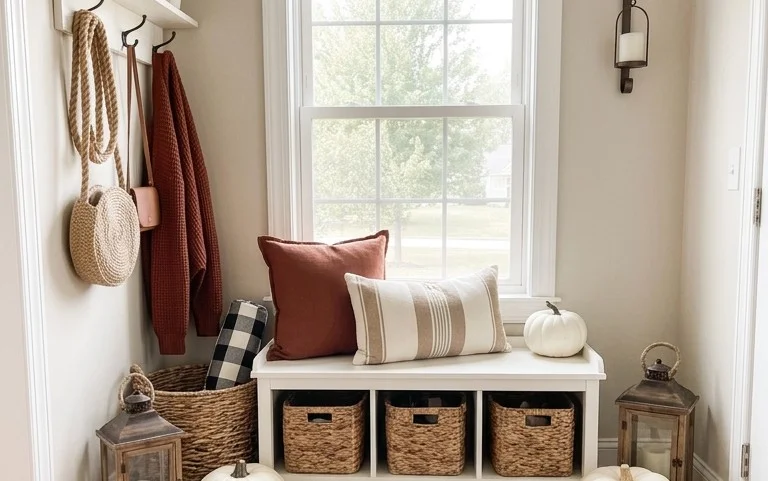
- Entryway: Hooks for coats and bags, a bench with storage for shoes, a small tray for keys and mail.
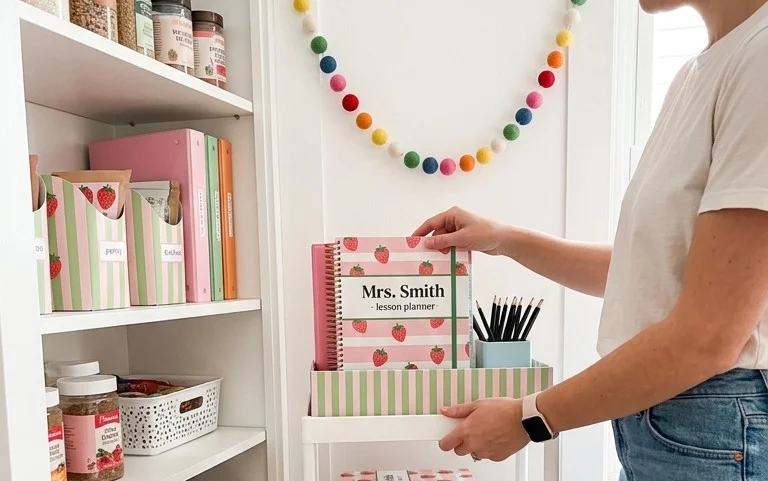
- Kitchen: Drawer organizers for utensils, clear bins for pantry staples, spice racks, and canisters to keep counters clear. Group similar items together.
- Living Room: Baskets for blankets and magazines, decorative boxes for remotes or small electronics.
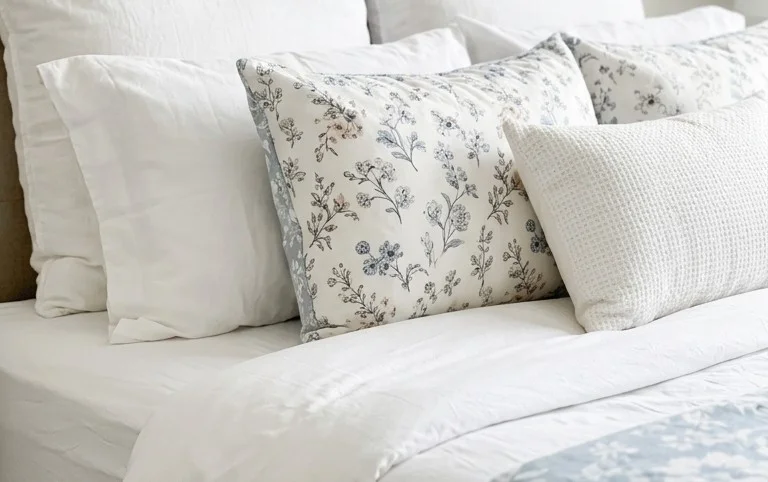
- Bedroom: Drawer dividers for undergarments and socks, a designated spot for jewelry, and clear bins for seasonal clothing under the bed.
- Let Items Breathe: Don’t overstuff shelves or bins. Leave a little breathing room so items are easily visible and accessible. This also makes the space look more intentional and less cluttered.
Keeping It Tidy After Week One
The magic happens when these habits become automatic. After the first week, you’ll notice the biggest difference. Keep it going by:
- Consistency is Key: Don’t skip your “5-Minute Tidy” or “Daily Dish Duty” just because you’re tired. Even 2 minutes is better than nothing.
- Visual Reminders: Place your mail station or key hooks in highly visible spots.
- Positive Reinforcement: Acknowledge your efforts! Take a moment to appreciate how much calmer your space feels.
- Involve the Household: If you live with others, explain these habits and encourage them to participate. Assigning specific tasks can help.
Mistakes That Make This Fail
Even the best intentions can go awry. Watch out for these common pitfalls:
- Trying to Do Too Much at Once: Overhauling your entire home in a weekend is overwhelming and rarely sticks. Start with one or two habits and build from there.
- Perfectionism: Your organized space doesn’t need to be magazine-perfect. It needs to be functional and work for *you*. A few stray items are okay!
- Not Having Designated Homes: If something doesn’t have a home, it will become clutter. Always create a spot for everything.
- Forgetting the “Why”: Remember *why* you want to be organized – for less stress, more time, and a more enjoyable living environment.
- Giving Up Too Soon: Habits take time to form. If you slip up, don’t despair. Just get back on track the next day.
Building these simple habits is an investment in your well-being. Start small, be consistent, and you’ll be amazed at how quickly your home can transform from cluttered to calm and collected.
Conclusion
Embracing these simple habits for home decor and organization isn’t just about tidying up; it’s about transforming your daily life. Imagine the peace and calm that comes from knowing where everything is, the joy of a clutter-free space that feels truly yours. The best part? You don’t need a major overhaul to start. Pick just one thing – perhaps dedicating five minutes before bed to put away stray items in the living room.
Alternative Starts:
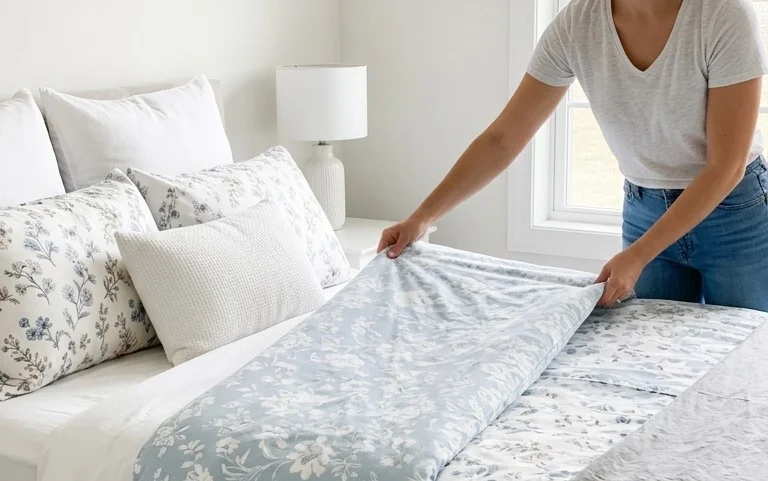
For a touch of serenity, consider a simple mindfulness practice in your bedroom by making your bed immaculately each morning. If your budget is tight, focus on decluttering a single drawer or shelf in your kitchen, making the most of what you already have.
Ready to create a more organized and harmonious sanctuary? Explore more ideas and discover the perfect solutions to elevate your home.